The Australian National
University’s Humanitarian Innovation Society (
ANU HISoc), along with the
Clinton Global Initiative University and
IBM are holding a virtual hackathon from August 8, 2020 on
Fighting Pandemics.
Organized for and by students, teams will work on pandemic management with lessons from SARS, MERS, Ebola and COVID-19.
I am helping out with Track 2:
Creating faster and more efficient resource allocation systems. Below are some notes I am preparing for the students. Suggestions, comments and contributions are welcome.
Track #2: Creating faster and more efficient resource allocation systems
"How can we better manage logistics so crucial personnel, medical supplies and equipment are quickly allocated to places where they are needed? " From ANU HISoc
Logistics
"Logistics is generally the detailed organization and implementation of a complex operation. In a general business sense, logistics is the management of the flow of things between the point of origin and the point of consumption to meet the requirements of customers or corporations. The resources managed in logistics may include tangible goods such as materials, equipment, and supplies, as well as food and other consumable items. The logistics of physical items usually involves the integration of information flow, materials handling, production, packaging, inventory, transportation, warehousing, and often security. " From: Logistics, Wikipedia (2020, June 30).
Pandemic
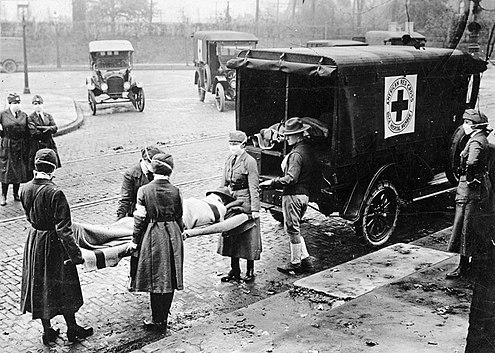 |
1918 Flu Victims St Louis
(Wikipedia, Uncredited photographer
for St. Louis Post Dispatch / Public domain)
|
'A
pandemic (from Greek
πᾶν,
pan, "all" and
δῆμος,
demos, "people") is an epidemic of an infectious disease that has spread across a large region, for instance multiple continents or worldwide, affecting a substantial number of people.' From
Pandemic, Wikipedia (2020, June 30).
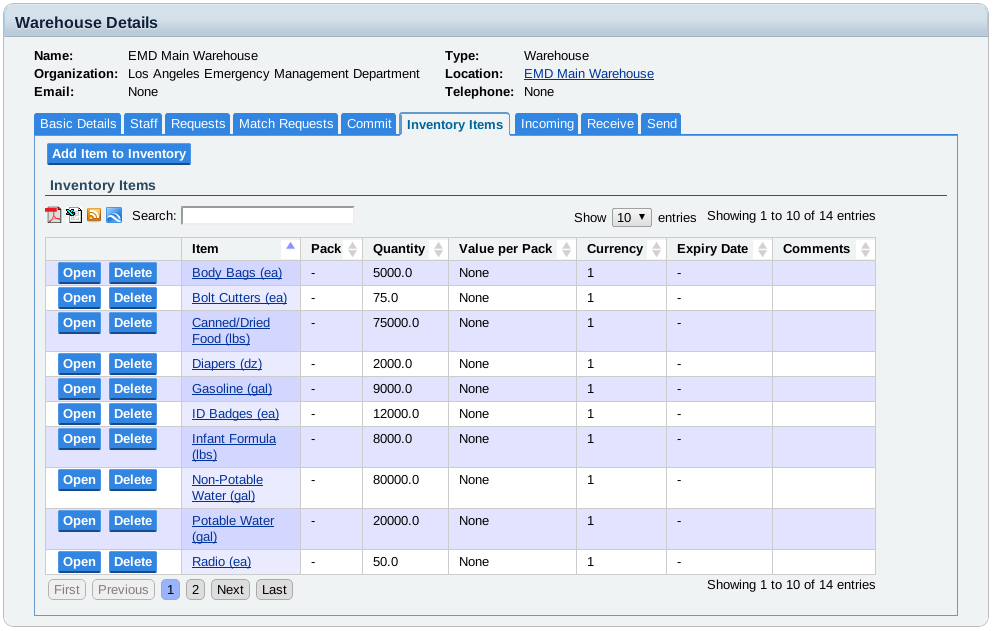
Sahana Disaster Management System
"Sahana is a Free and Open Source Disaster Management system that has been deployed with Gov, NGOs and Civil Society in enabling effective coordination and resource management particularly in a coordinated multi-agency response. The project has its inception during the Boxing Day Indian Ocean Tsunami of 2004 that required a large scale response effort bringing together multiple partners to help 500,000+ victims including displaced and injured in Sri Lanka." From Sahana Applicability for COVID-19, Wikipedia (2020, June 30).
Some questions for the hackerthon participants:
- Who are you helping manage the logistics?
- What is being managed (personnel, medical
supplies and equipment)?
- How are places and need identified?
- How are resources allocated?
See also:
- E-government for emergencies: dealing with a bird flu pandemicusing the wireless web and podcasting, Tom Worthington, for CeBIT Australia, 9 May 2006, Sydney
- Sahana Meetup with Tom Worthington, Sri Lanka, 2013