
Showing posts with label Energy Efficiency. Show all posts
Showing posts with label Energy Efficiency. Show all posts
Saturday, October 6, 2018
Learning to Use Tech-teaching Spaces in Singapore

Saturday, September 1, 2018
Energy, Education and Mobile Devices in the Indo-Pacific
From 2 to10 October I will be giving three talks on Energy, Education and Mobile Devices, in Sri Lanka and Singapore.
My first talk is "Computer Professionals Providing Mobile Learning for the Digital Economy" at the Computer Society of Sri Lanka's National IT Conference (NITC 2018), 9 am 3 October. Speakers were asked "... how do we drive a digital economy? What should be the key measurements? ..." and I am answering this with mobile education.
Second talk is "Decreasing Campus Energy Use With Flexible Classrooms and e-Learning" at EduBuild 2018 in Singapore, 9 October, 5:20pm. This is a new part of the annual EduTech conference, focusing on classroom design and use.
The next day at EduBuild (10 October, 11:55am), I will be taking part in a discussion of "Learning to use new tech-infused teaching spaces".
I am happy to give talks at other venues. On a previous visit to Sri Lanka I talked to the Sahana Foundation on disaster management.
My first talk is "Computer Professionals Providing Mobile Learning for the Digital Economy" at the Computer Society of Sri Lanka's National IT Conference (NITC 2018), 9 am 3 October. Speakers were asked "... how do we drive a digital economy? What should be the key measurements? ..." and I am answering this with mobile education.
Second talk is "Decreasing Campus Energy Use With Flexible Classrooms and e-Learning" at EduBuild 2018 in Singapore, 9 October, 5:20pm. This is a new part of the annual EduTech conference, focusing on classroom design and use.
The next day at EduBuild (10 October, 11:55am), I will be taking part in a discussion of "Learning to use new tech-infused teaching spaces".
I am happy to give talks at other venues. On a previous visit to Sri Lanka I talked to the Sahana Foundation on disaster management.
Friday, August 31, 2018
Decreasing Campus Energy Use With Flexible Classrooms and e-Learning
I will be speaking on "Decreasing Campus Energy Use With Flexible Classrooms and e-Learning" at EduBuild 2018 in Singapore, 9 October, 5:20pm. This is a new part of the annual EduTech conference, focusing on classroom design and use.
- Energy use and Carbon Emissions
- New Flexible Classrooms
- E-learning
Monday, March 12, 2018
Decreasing Campus Energy Use With Flexible Classrooms and e-Learning
The Australian National University is preparing an Energy Master Plan. The aim is "... to create an Australian
world class energy efficient, low-carbon, least-cost campus ...". One target in the existing ANU Environmental Management Plan 2017-2021 is to "Reduce energy use per person by 20 per cent by 2021". New forms of education can help, by using the buildings more efficiently and moving some education online. I suggest these techniques can be used to reduce energy use per person. In particular, teaching staff can be trained to teach in flexible and online mods. Also, a system can be used for students to book a seat.
One way to reduce energy use per person is by increasing the intensity of use of the buildings. Empty rooms use almost as much energy as full ones, so the more use of each room in each building, the lower per person energy use.
One way to increase the use of classrooms is to make them more flexible. The ANU Union Court redevelopment is a prime
example of this. Two new buildings will allow forms of education beyond conventional lectures and tutorials.
The ANU Culture and Events Building will have rooms with retractable seating. At the press of a button, the room can be changed from a flat floor for a conference, to theater format, with tiered seating for a lecture.
The ANU Collaborative Learning Building will have flat floor rooms with movable furniture and walls. This enables the same space to be used for different size and format classes. Walls can be folded back for a large class or moved in form more smaller ones. Desks can be in straight rows for a more conventional eyes-front classroom, or in circles for a more collaborative approach.
Flat floor classrooms are conventionally used for small groups of up to a few dozen students. However, with technology and new teaching techniques, such rooms can accommodate hundreds of students.
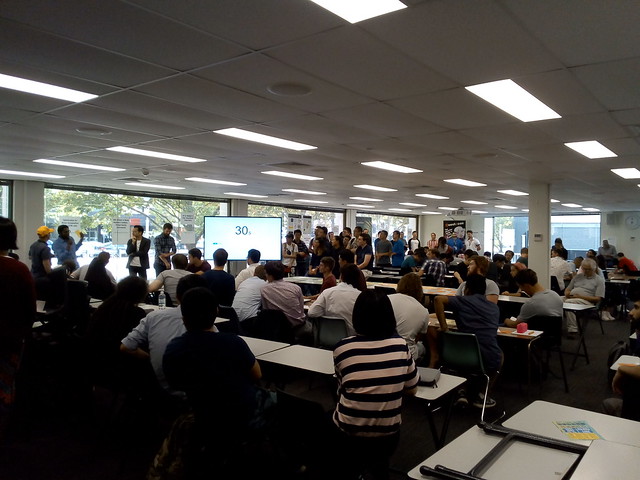 Training can help make flexible classrooms more efficient, in terms of teaching and energy use. Academics familiar only with conventional lectures and tutorials will tend to use the new flexible teaching spaces only for old fixed teaching formats. To use the rooms flexibly requires the staff to be training in flexible formats.
As an example, an instructor used to conventional lecture driven teaching will find the idea of hundreds of students in a room working in teams a recipe for chaos. The instructor needs to be taken through the theory and practice of how this works, and ideally act as an assistant in such a class before being required to be the lead instructor.
The ANU TechLauncher events for Team Formation and Bootcamp run in the ANU's large flat floor teaching rooms, at 7-11 Barry Drive, have demonstrated that group exercises with 300 students can work. By introducing academics to these techniques, they will be more confident to use them in courses.
E-learning can also be used to increase the intensity of campus use. Most courses at Australian universities are now, to some extent, "blended", with part of the tuition on-line. However, to make the best use of the technology course designers and instructors need to be trained in on-line techniques.
Academics who have only training and experience in face-to-face lectures and tutorials will tend to continue to rely on those techniques and be reluctant to try e-learning. There will be concern the students will not do the work, or will cheat, which can be the case if materials are not well designed and trained staff are not available to run on-line courses.
As an example, the ANU course COMP7310 "ICT Sustainability"
is run entirely on-line, with no lectures and no examinations. This course runs alongside ANU's face-to-face courses, with the same status and meeting the same quality standards. However, design of this award winning course required the assistance of specialist e-leaning professionals. It also helped to have undertaken graduate education training at ANU and other institutions, focused on in e-learning.
With the appropriate level of training it is feasible to aim for the typical university program to be a 20/80 blend: 20% in a formal classroom setting and 80% on-line outside the classroom. An example of this approach is the ANU Techlauncher program, where students undertake a group project building software for a real client, in government or industry. Students are expected to undertake 10 hours of study per week, but are only required to attend a 2 hour formal session in a typical week.
Ideally students should be on campus no more than the equivalent of one day a week. Students should be out in the real world learning and practicing their skills.
Less than half of students attend a typical university class. A survey at ANU found "... attendance declines over semester to around 30% of original signup ...". This is not confined to ANU and is not a new feature of universities. However, universities still tend to allocate teaching space based on the number of students enrolled in the class at the beginning of semester. As a result the classrooms tend to be less than half full after the first few weeks. This is a waste of space and also a waste of energy needed to maintain these spaces.
One way to engage students, and thus attract them to class, is with group activities, as is done with ANU Techlauncher. This ensures almost full attendance at interactive group activities. Blends of on-line and face to face activities (so called flipped classrooms) can keep students coming to class. However, not all students need to attend every class and many classes will have one third to one half attendance. This can be incorporated into space use planning.
Students can be given the opportunity to book a seat in class a few days in advance. Classrooms can then be allocated, making use of different size rooms and flexible walls and formats, to suit. A reasonable aim would be to double the intensity of use of classrooms, thus halving the per person energy use.
More on:
Use Classrooms More Intensively
One way to reduce energy use per person is by increasing the intensity of use of the buildings. Empty rooms use almost as much energy as full ones, so the more use of each room in each building, the lower per person energy use.
 |
| New ANU Buildings (artists' impression). |
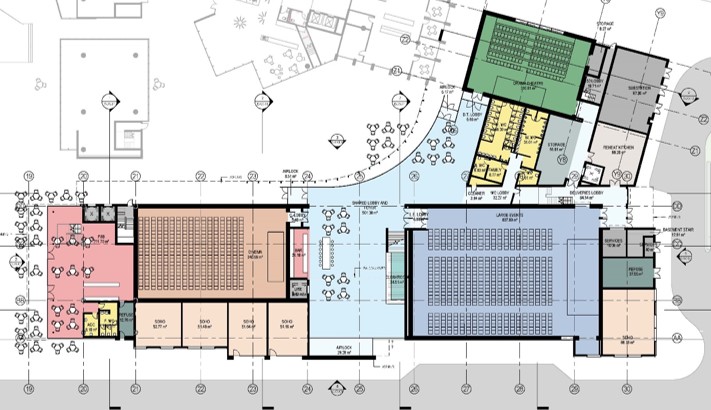 |
| ANU Culture and Events Building |
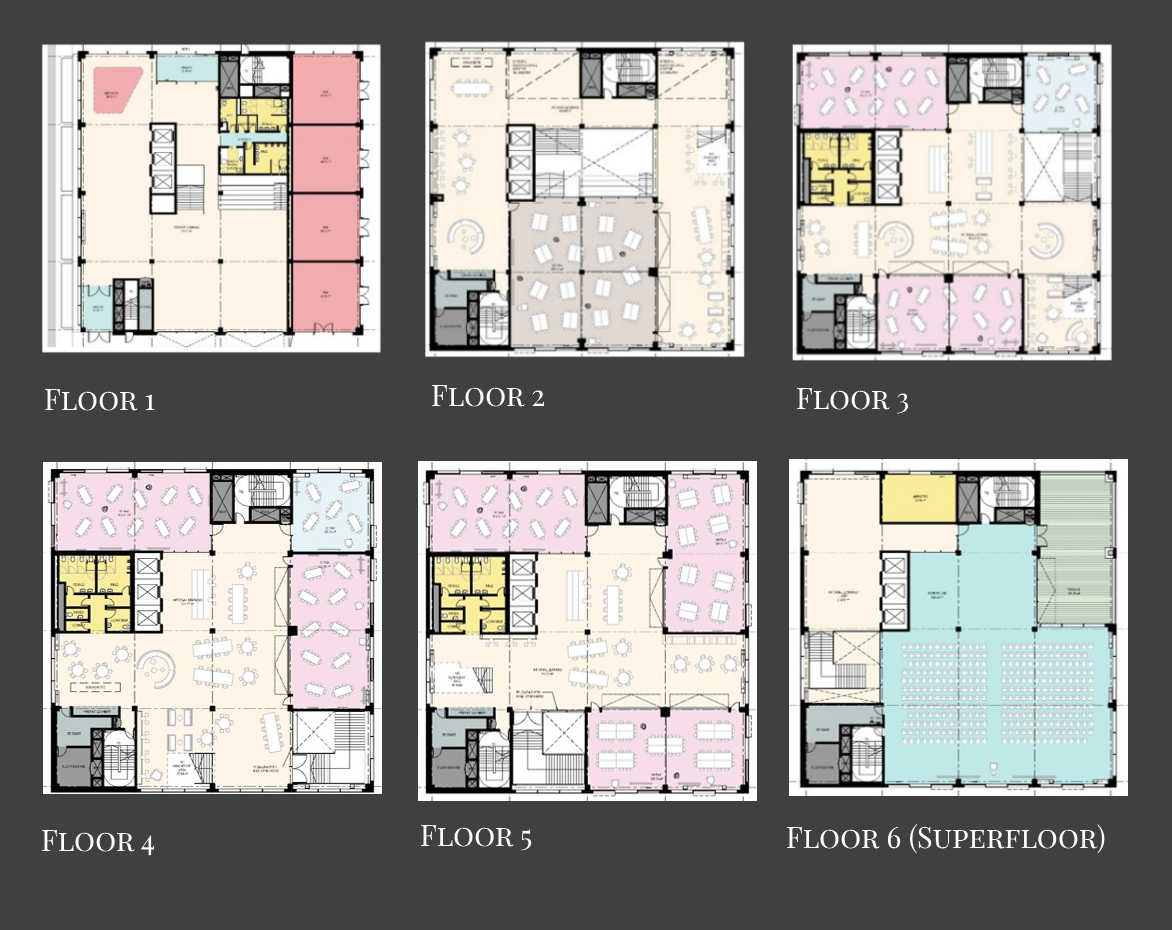 |
| ANU Collaborative Learning Building |
Flat floor classrooms are conventionally used for small groups of up to a few dozen students. However, with technology and new teaching techniques, such rooms can accommodate hundreds of students.
Training to help make use of classrooms
Training can help make flexible classrooms more efficient, in terms of teaching and energy use. Academics familiar only with conventional lectures and tutorials will tend to use the new flexible teaching spaces only for old fixed teaching formats. To use the rooms flexibly requires the staff to be training in flexible formats.As an example, an instructor used to conventional lecture driven teaching will find the idea of hundreds of students in a room working in teams a recipe for chaos. The instructor needs to be taken through the theory and practice of how this works, and ideally act as an assistant in such a class before being required to be the lead instructor.
The ANU TechLauncher events for Team Formation and Bootcamp run in the ANU's large flat floor teaching rooms, at 7-11 Barry Drive, have demonstrated that group exercises with 300 students can work. By introducing academics to these techniques, they will be more confident to use them in courses.
Use e-Learning to Supplement Campus
E-learning can also be used to increase the intensity of campus use. Most courses at Australian universities are now, to some extent, "blended", with part of the tuition on-line. However, to make the best use of the technology course designers and instructors need to be trained in on-line techniques.
Academics who have only training and experience in face-to-face lectures and tutorials will tend to continue to rely on those techniques and be reluctant to try e-learning. There will be concern the students will not do the work, or will cheat, which can be the case if materials are not well designed and trained staff are not available to run on-line courses.
With the appropriate level of training it is feasible to aim for the typical university program to be a 20/80 blend: 20% in a formal classroom setting and 80% on-line outside the classroom. An example of this approach is the ANU Techlauncher program, where students undertake a group project building software for a real client, in government or industry. Students are expected to undertake 10 hours of study per week, but are only required to attend a 2 hour formal session in a typical week.
Ideally students should be on campus no more than the equivalent of one day a week. Students should be out in the real world learning and practicing their skills.
Double University Per Person Intensity of Use
Less than half of students attend a typical university class. A survey at ANU found "... attendance declines over semester to around 30% of original signup ...". This is not confined to ANU and is not a new feature of universities. However, universities still tend to allocate teaching space based on the number of students enrolled in the class at the beginning of semester. As a result the classrooms tend to be less than half full after the first few weeks. This is a waste of space and also a waste of energy needed to maintain these spaces.
One way to engage students, and thus attract them to class, is with group activities, as is done with ANU Techlauncher. This ensures almost full attendance at interactive group activities. Blends of on-line and face to face activities (so called flipped classrooms) can keep students coming to class. However, not all students need to attend every class and many classes will have one third to one half attendance. This can be incorporated into space use planning.
Students can be given the opportunity to book a seat in class a few days in advance. Classrooms can then be allocated, making use of different size rooms and flexible walls and formats, to suit. A reasonable aim would be to double the intensity of use of classrooms, thus halving the per person energy use.
Reduce Staff Campus Use
Persons use of the campus includes staff as well as students. Most teaching undertaken at a university is not by full time, permanent academics, but by graduate students and part time staff from industry. E-learning is a particularly useful way to make use of part time staff skills. Industry professionals can teach students without having to leave their workplace. Researchers in the field can teach students. However, this will require the staff to be trained in techniques for e-learning. The ideal way to conduct this training is on-line.More on:
Monday, August 21, 2017
Peace Through Superior Education: Notes
Notes for the seminar "Peace Through Superior Education", 2pm, 22 August, ANU. All welcome, free but please book.
Others entries and details at the ANU Grand Challenges Portal (ANU access only).


"... end poverty ... protect the planet ... ensure prosperity for all ... foster peaceful, just and inclusive societies ... based on a spirit of strengthened global solidarity ..."
Pedagogy, digital networking, climate change adaption, ethnopolitics, energy efficiency


About the Peace Through Superior Education proposal:
'Many of the world’s most intractable problems occur on Australia's doorstep: where the trade-routes of the world's emerging economies meet. The Australian National University (ANU) was created by the Australian Parliament to meet these challenges in this region. The ANU does this by bringing together the best and brightest young people of the region to learn and to cooperate. Can this can be extended through the use of digital networks, particularly mobile devices, with an order of magnitude increase in the number of students? Can we use digital networks to engage, educate and influence the behaviors of the indo- pacific publics? How can we best do that? To answer these questions a longitudinal exploration into the transformative learning will be conducted. In this way can we can address the United Nations Sustainable Development Goals (SDGs): "... end poverty ... protect the planet ... ensure prosperity for all ... foster peaceful, just and inclusive societies ... based on a spirit of strengthened global solidarity ...".'
Peace Through Superior Education
M-learning for the indo-pacific to address radicalization, climate change, food and energy security.
Chris Barrie
Adam Broinowski
Catherine Settle
Tom Worthington
Adam Broinowski
Catherine Settle
Tom Worthington
A Grand Challenges Proposal
ANU Grand Challenges Scheme
"... identify a problem or challenge that research can address. What's unique about the program is the way it seeks to bring people together from all across the University to bring new perspectives to a major challenge confronting society."
From VC's Update - ANU Grand Challenges Scheme, ANU, 7 July 2017
Scheme Stages
- Call for Ideas: 3 minute videos (ended 24 July)
- Assembly of Teams: two-page proposal by 28 August
- Selection of Finalists: by 8 September
- Selection of the 2018 ANU Grand Challenge: TBA
- Full Business Case: TBA
First stage: three minute videos
Some of the entries:- Peace Through Superior Education
- Zero-Carbon Energy for the Asia-Pacific
- Grand Challenge of Negative Emissions
Others entries and details at the ANU Grand Challenges Portal (ANU access only).
Top 20 Words in the Entries
health, science, change, social, policy, law, sustainability, knowledge, climate, energy, food, environmental, education, economics, politics, sciences, computer, Futures, complex, publicThe Indo-Pacific

Many of the world’s most intractable
problems occur on Australia's doorstep: where the trade-routes of the
world's emerging economies meet.
Map by Eric Gaba (Sting) CC BY-SA 4.0, via Wikimedia Commons
"A U.S. guided-missile destroyer came within 12 nautical miles of the
contested Chinese installation built on an artificial island off the
coast of the Philippines on Thursday ..." Sam LaGrone, August 10, 2017, US Naval Institute
South China Sea
 |
|
By Todd Frantom [Public domain], via Wikimedia Commons |
"... U.S. guided-missile destroyer collided with a chemical tanker in the
South China Sea ..." Sam LaGrone, August 20, 2017, US Naval Institute
The Australian National University (ANU) was created by the Australian Parliament to meet the challenges in this region.
John Dedman "... the Government had decided to proceed with the establishment of an Australian National University ... Both in Australia and in the world at large, innumerable problems await solution if the future is to be made safe and the people placed in a position to enjoy the fruits of the developments in science and in human relationships which have taken place ... We have also greatly increased responsibility to shoulder in relation to other people, particularly to those with whom we are associated as a' Pacific power. ..."


From ANU Bill Second Reading Speech, Mr. John Dedman, Minister for Post-war Reconstruction, Australian Parliament, 19 June 1946

The ANU brings together the best and brightest young people of the region to learn and to cooperate.
ANU Education in the Region
 |
Apia Harbor Sunset,
Worthington, 2005 |
- Imran, A., Turner, T.,
& Gregor, S. (2008). Educate to Innovate-Fast Tracking ICT Management Capabilities Amongst the Key Government Officials for eGovernment Implementation in Bangladesh. GlobDev 2008, 9.
- Worthington, T. (2006, 30 January). Report on a Workshop on the Use of Technology for Museums of the Pacific Islands Region, Pacific Museums Capacity Building Workshop, ANU, 30th January 2006
Can this can be extended through the use
of digital networks, particularly mobile devices, with an order of
magnitude increase in the number of students?
Pictographs by Carlos Sarmento from the Noun Project (CC BY 3.0 US).
Responsive Web Design
 |
| Desktop Computer |
 |
| Smart Phone |
No attendance is required. All materials and assessment are on-line.
Same e-learning content for desktops and low bandwidth smart phones.
Example from "ICT Sustainability" COMP7310, ANU.
To answer these questions a longitudinal exploration into the transformative learning will be conducted.
Pictographs by Carlos Sarmento from the Noun Project (CC BY 3.0 US).
"... end poverty ... protect the planet ... ensure prosperity for all ... foster peaceful, just and inclusive societies ... based on a spirit of strengthened global solidarity ..."
UN General Assembly resolution 70/17,
Transforming our world: the 2030 Agenda for Sustainable Development, A
/RES/70/1 (21 October 2015).
Field/s of research
Pedagogy, digital networking, climate change adaption, ethnopolitics, energy efficiency
Interested parties
Chris Barrie (CAP), Adam Broinowski (CAP),
References
- UN General Assembly resolution 70/17, Transforming our world: the 2030 Agenda for Sustainable Development, A /RES/70/1 (21 October 2015).
- Worthington, T. (2014, August 23). Chinese and Australian Students Learning to Work Together Online: Proposal to Expand the New Colombo Plan to the Online Environment. Paper to be presented at the 9th International Conference on Computer Science & Education (ICCSE). Vancouver, Canada. http://dx.doi.org/10.1109/ICCSE.2014.6926448
- Worthington, T. (2017). Digital teaching in higher education : designing e-learning for international students of technology, innovation and the environment. Belconnen, A.C.T. TomW Communications Pty Ltd. http://www.tomw.net.au/digital_teaching/
Wednesday, August 2, 2017
Peace Through Superior Education
Other ANU Grand Challenge entries include: Zero-Carbon Energy for the Asia-Pacific and the Grand Challenge of Negative Emissions. ANU researchers and students interested in working on these can access the ANU Grand Challenges Portal. Non-ANU researchers can contact the project personnel to express interest in participating.
About the Peace Through Superior Education proposal:
'Many of the world’s most intractable problems occur on Australia's doorstep: where the trade-routes of the world's emerging economies meet. The Australian National University (ANU) was created by the Australian Parliament to meet these challenges in this region. The ANU does this by bringing together the best and brightest young people of the region to learn and to cooperate. Can this can be extended through the use of digital networks, particularly mobile devices, with an order of magnitude increase in the number of students? Can we use digital networks to engage, educate and influence the behaviors of the indo- pacific publics? How can we best do that? To answer these questions a longitudinal exploration into the transformative learning will be conducted. In this way can we can address the United Nations Sustainable Development Goals (SDGs): "... end poverty ... protect the planet ... ensure prosperity for all ... foster peaceful, just and inclusive societies ... based on a spirit of strengthened global solidarity ...".'
Peace Through Superior Education
M-learning for the indo-pacific to address radicalization, climate change, food and energy security.
Chris Barrie
Adam Broinowski
Catherine Settle
Tom Worthington
Adam Broinowski
Catherine Settle
Tom Worthington
A Grand Challenges Proposal
The Indo-Pacific
Many of the world’s most intractable problems occur on Australia's doorstep: where the trade-routes of the world's emerging economies meet.
Map by Eric Gaba (Sting) CC BY-SA 4.0, via Wikimedia Commons
The Australian National University (ANU) was created by the Australian Parliament to meet the challenges in this region.
The ANU brings together the best and brightest young people of the region to learn and to cooperate.
Can this can be extended through the use of digital networks, particularly mobile devices, with an order of magnitude increase in the number of students?
Pictographs by Carlos Sarmento from the Noun Project (CC BY 3.0 US).
To answer these questions a longitudinal exploration into the transformative learning will be conducted.
Pictographs by Carlos Sarmento from the Noun Project (CC BY 3.0 US).
"... end poverty ... protect the planet ... ensure prosperity for all ... foster peaceful, just and inclusive societies ... based on a spirit of strengthened global solidarity ..."
UN General Assembly resolution 70/17, Transforming our world: the 2030 Agenda for Sustainable Development, A /RES/70/1 (21 October 2015).
Field/s of research
Pedagogy, digital networking, climate change adaption, ethnopolitics, energy efficiency
Interested parties
Chris Barrie (CAP), Adam Broinowski (CAP),
References
- UN General Assembly resolution 70/17, Transforming our world: the 2030 Agenda for Sustainable Development, A /RES/70/1 (21 October 2015).
- Worthington, T. (2014, August 23). Chinese and Australian Students Learning to Work Together Online: Proposal to Expand the New Colombo Plan to the Online Environment. Paper to be presented at the 9th International Conference on Computer Science & Education (ICCSE). Vancouver, Canada. http://dx.doi.org/10.1109/ICCSE.2014.6926448
- Worthington, T. (2017). Digital teaching in higher education : designing e-learning for international students of technology, innovation and the environment. Belconnen, A.C.T. TomW Communications Pty Ltd. http://www.tomw.net.au/digital_teaching/
Monday, June 12, 2017
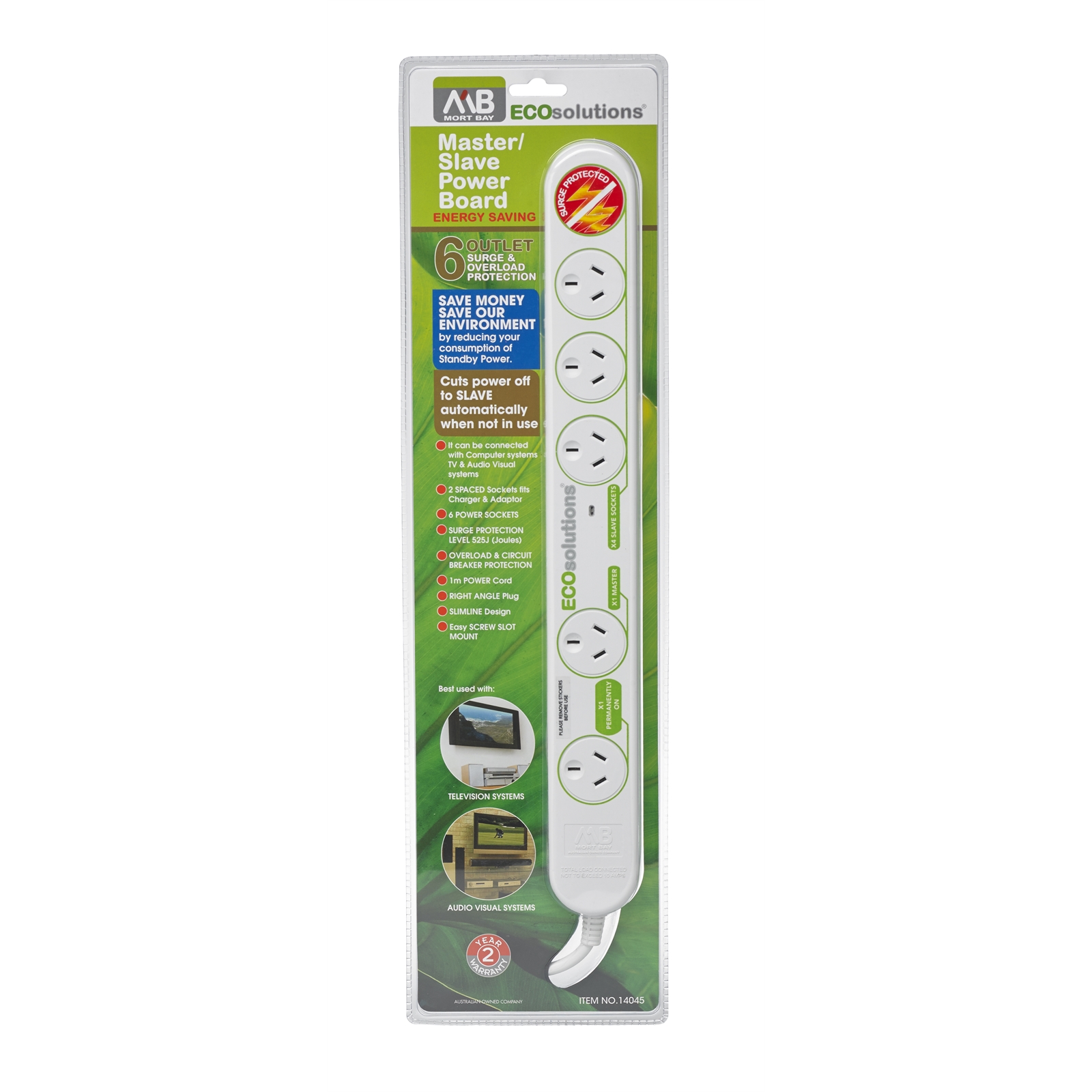
Auto Power-board to Simplify Computer Setup
Tuesday, December 8, 2015
What is the Embedded Energy in a University Degree?
Byron Washom, was speaking on University of San Diego's Microgrid at the 2015 ANU Energy Update the Australian National University in Canberra. He was discussing how to reduce energy used on a university campus. So I asked about metrics used to measure the energy efficiency of the university. He said UCSD uses measures such as energy per square foot.
Half jokingly, I suggested the embedded energy of a university degree should be the measure, as education is one of the products universities produce (the other being research). I might set this as an exercise for me ICT Sustainability students next semester. They could compare the energy use of an on-campus versus an on-line student, to see if e-learning saves energy.
Half jokingly, I suggested the embedded energy of a university degree should be the measure, as education is one of the products universities produce (the other being research). I might set this as an exercise for me ICT Sustainability students next semester. They could compare the energy use of an on-campus versus an on-line student, to see if e-learning saves energy.
Monday, March 16, 2015
Environmental impact e-learning much lower than campus
In looking for some papers for my ICT Sustainability students to read, I came across "Designing low carbon higher education systems: Environmental impacts of campus and distance learning systems" by Roy, Potter and Yarrow at Open University UK (2007). They, not surprisingly, found that Distance Education uses about 65% less energy (and correspondingly lower carbon emissions) than campus-based courses. But they found e-learning only produced a modest 20% energy reduction over print-based courses, as students tended to print out the e-learning materials. It would be interesting to see if this still applies in 2015, with student more used to electronic documents and having mode potable devices to read them on.
Saturday, November 22, 2014
ICT Sustainability Australia Briefing

It is an interesting time to be looking at computers and energy saving, with the G20 Energy Efficiency Action Plan, released last week, includes a strategy to reduce energy consumption for networked devices. How to progress the G20's energy efficiency plans would be a good project for my "ICT Sustainability" students.
Subscribe to:
Posts (Atom)